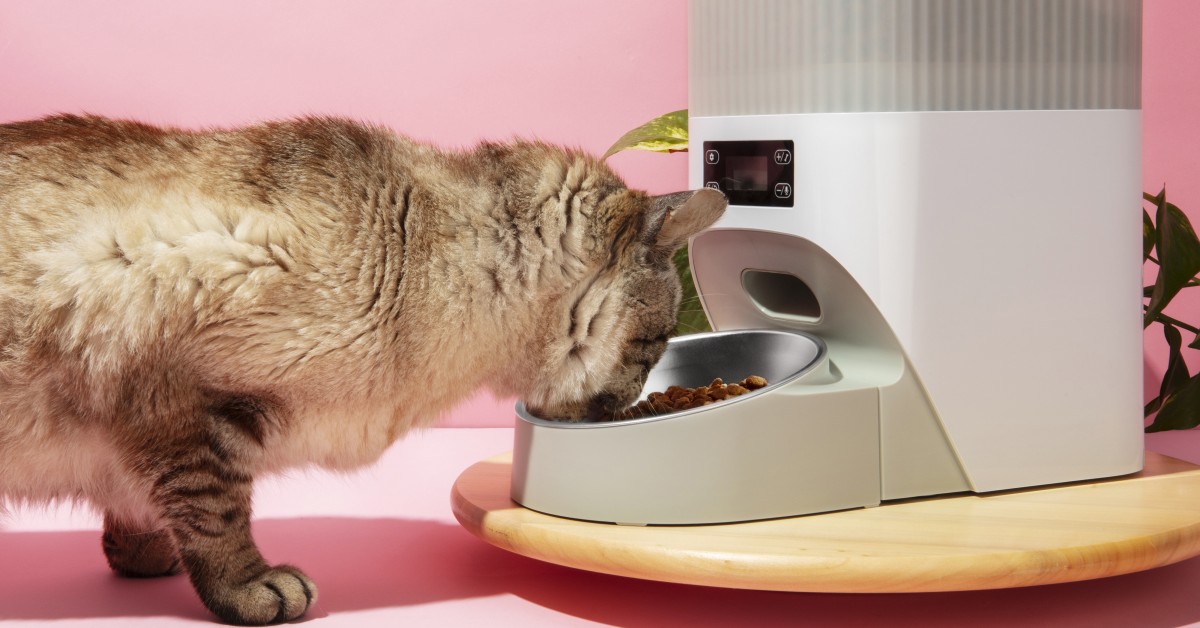
Probiotics for Pets: Advice for Owners
Your pet might benefit immensely from biotics that optimize its health and wellness.
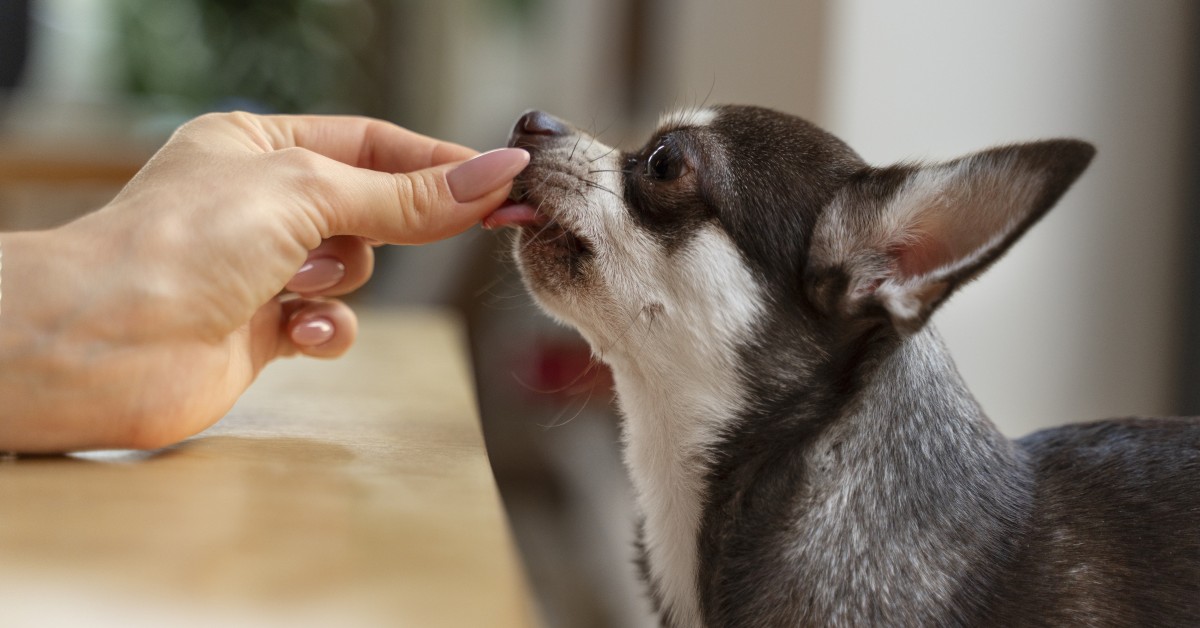
If you follow medical news or websites, you may have heard about the many healing benefits of probiotics. Your own doctor may have even recommended a course of probiotics to help you improve your health. But you may not realize that probiotic foods and supplements can do as much good for pets as they can for their human owners. Let's take a closer look at the health benefits of probiotics for pets.
What Are Probiotics?
An animal's stomach contains an entire living universe, or microbiome, featuring many strains of bacteria. These bacteria interact in complex ways to maintain the animal's digestive and immune health, in part by helping the body absorb critical nutrients. When this delicate ecosystem gets disturbed, both people and pets can experience a wide range of health issues.
Probiotics are strains of healthy bacteria that can restore balance to an unbalanced gut microbiome. They don't have any medicinal properties in their own right. However, by replenishing strains of bacteria that are missing or deficient in the gut, they can dramatically improve nutrient absorption, which in turn can help reverse certain diseases and symptoms.
Don't get confused between probiotics, prebiotics, and postbiotics. While these substances have similar names and actively work together as part of a larger process, they play different roles in the body. Prebiotics usually take the form of high-fiber foods that help pave the way for the success of probiotics. As the probiotics are digested, they produce postbiotics, which do the real work for optimizing health. The short-chain fatty acid butyrate, an anti-inflammatory, is one example of a postbiotic that contributes to overall health.
Pet Health Conditions That May Respond to Probiotics
Dog and cat probiotics can help relieve a variety of common ailments. Consider administering probiotics if your pet demonstrates any of the following problems:
- Digestive distress - diarrhea, constipation, bloating, and gas can all stem from an unbalanced gut microbiome.
- Chronic intestinal disorders - Probiotics may help pets suffering from chronic intestinal inflammation or disease.
- Weight loss - If your pet is losing weight and veterinary tests come up negative for specific reasons, the problem may lie in malabsorption of nutrients.
- Poor immune function - Poor gut health can lead to a malfunctioning immune system, resulting in everything from allergies to frequent illnesses.
- Skin or hair symptoms - Dry, flaky skin and unexplained hair loss can occur due to an underlying nutritional imbalance or allergy.
- Infections - Probiotics can address the bacterial and/or fungal overgrowth that makes pets vulnerable to ear, bladder, and other infections.
- Emotional issues - Brain health and gut health are closely connected, so a pet suffering from anxiety or other emotional disorders may need probiotics.
What Pet Probiotics Should You Consider?
If you're thinking about giving your pet probiotics, you’ll want to give it the same beneficial bacterial cultures that normally thrive in its digestive system. Probiotics for pets generally include a variety of popular strains. Three common examples include Enterococcus faecium, Streptococcus thermophilus, and Bifidobacterium bifidum. A high-quality probiotic supplement should also contain several strains of Lactobacillus.
While humans and pets can benefit from many of the same probiotic cultures, you should focus on finding a product specifically formulated for pets. Human probiotic supplements may not deliver the right quantity of bacterial cultures for best results. Cat and dog probiotics are readily available online and at any stores that carry pet products.
How to Give Your Pet Probiotics
If you start your pet off on too big a dose of probiotics, he or she may suffer digestive side effects such as constipation, bloating, or diarrhea. Pets can usually tolerate probiotic doses of one billion to 10 billion CFUs (colony forming units). Read the supplement's label carefully and stay within these boundaries, starting small and increasing the dosage gradually.
Probiotics exist in natural food sources as well as manufactured supplements. If your pet refuses to consume supplements despite your best efforts to make them appealing, try feeding it probiotic-rich foods such as plain yogurt, fermented fish stock, or kefir. You can even find certain pet foods specially formulated to include probiotics.
You can give your pet probiotics on a constant basis to manage chronic conditions, or simply to optimize its everyday well being. Alternatively, you can administer probiotics for a limited period to help it get over an infection, digestive upset, or other short-term health hurdle. However, if you're giving your pet probiotics to deal with a specific medical issue, keep in mind that it may take several weeks for these substances to repair your pet's gut microbiome.
As Always, Check With Your Vet First
Just as you wouldn't give your pet medication without any veterinary guidance, you shouldn't administer pet probiotics without first consulting your veterinarian. A wellness exam may reveal that your pet's health problem has a specific cause not related to its gut microbiome, in which case medication or another treatment may be in order. Your vet may also have opinions on which probiotic you should give your pet and how much your pet should receive. As always, it pays to talk to the experts!
Ready to start saving money on pet wellness care?
Then take a look at Mint Wellness, the pet wellness plan that provides fast reimbursement on routine pet care. Save on vaccinations, wellness exams, preventatives, dental, and more!
Learn More